Grounded Footwear › Switching safely
Updated October 2026
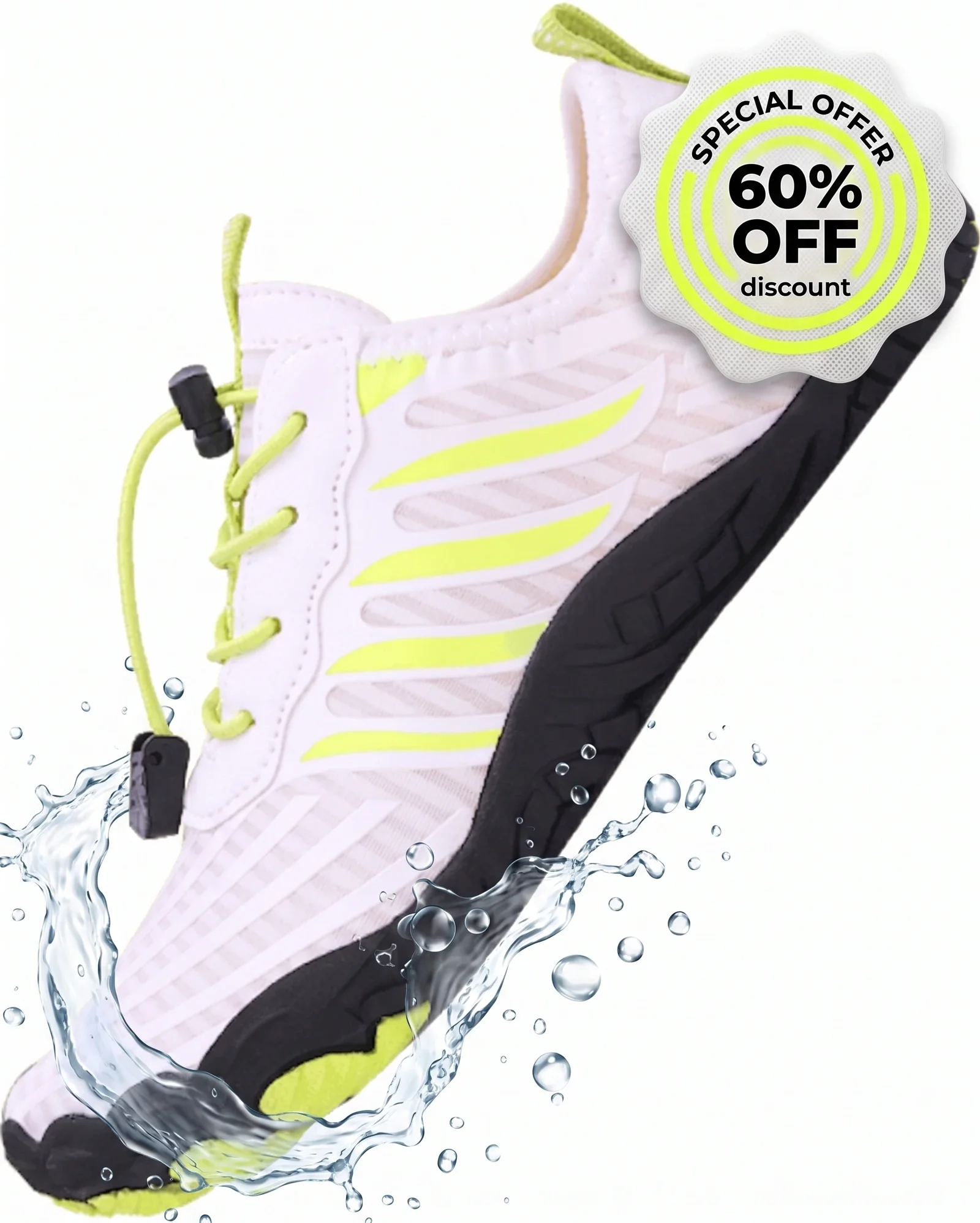
Barefoot-style shoes like Grounded Footwear have a flexible sole, no raised heel and room for your toes to spread. That lets your feet move more like they do without shoes, which many people find very comfortable. Because your feet and calves do a little more of the work, it pays to build up gradually. Here is a simple plan.
Traditional shoes have a raised heel, thick cushioning and often arch support. Take those away and three things change at once: your calves and Achilles tendon stretch further with every step, the small muscles in your feet work harder, and the bones in your forefoot take more load.
The research backs this up. In a 2013 study, 19 experienced runners moved gradually to minimalist shoes over 10 weeks; MRI scans showed new signs of bone stress (bone marrow edema) in at least one foot bone in 10 of them, more than in a control group who kept their usual shoes (Ridge et al., 2013). The researchers concluded that people should transition even more slowly than they had. That study involved running; walking is far gentler, but the principle is the same.
There is good news too. A 2019 randomised trial found that walking in minimalist shoes for 8 weeks increased the size and strength of foot muscles about as much as doing a dedicated foot-strengthening programme (Ridge et al., 2019). Give your feet time and they adapt.
| Week | How long in barefoot shoes | Where |
|---|---|---|
| 1 | 30 to 60 minutes a day | Around the house and short errands |
| 2 | 1 to 2 hours a day | Add short walks on even ground |
| 3 to 4 | Half a day, swapping back to your old shoes if your feet or calves ache | Normal daily walking |
| 5 to 8 | Most of the day if comfortable | Longer walks; uneven ground in small doses |
| 8+ | All day | Introduce running only now, starting with very short distances |
Mild calf tightness in the first weeks is normal. Sharp pain on the top of the foot, pain that gets worse as you walk, or pain that is still there the next morning are signs to stop and rest. Pain on the top of the foot can mean a stress injury, so see a doctor if it does not settle.
Many Grounded Footwear buyers work on their feet. If that is you, start by wearing them for the first hour of a shift and change back into your usual shoes, adding an hour every few days. Short movement breaks help: shift your weight, rise onto your toes a few times, walk for a minute. If you stand on hard floors all day, a thin cushioned insole can make the transition easier without losing the roomy toe box.
Barefoot-style shoes are not for everyone straight away. Ask a podiatrist or doctor before switching if you:
Grounded Footwear has light arch support by design, so this is worth checking if you rely on firm support today.
Grounded Footwear is designed around grounding, or earthing: the idea of staying in conductive contact with the earth as you walk. Researchers have reported interesting early results (a widely cited 2012 review is Chevalier et al.), though the studies so far are small and more research is needed before any health benefit can be confirmed.
Most people choose these shoes for the light, roomy, flexible feel, and enjoy the grounding design as an extra.
Most people need several weeks to a couple of months of gradual build-up for all-day walking, and longer before running in them.
Mild calf tightness in the first weeks is common because the calves work harder without a raised heel. Sharp or worsening pain, especially on the top of the foot, is a reason to stop and see a doctor.
Research on grounding is still at an early stage, so more studies are needed before health benefits can be confirmed. Many people enjoy barefoot-style shoes for their comfort, and walking in them may strengthen foot muscles over time.
Ask a podiatrist first. Reduced feeling in the feet makes injuries easy to miss, so a professional should check what footwear is safe for you.